
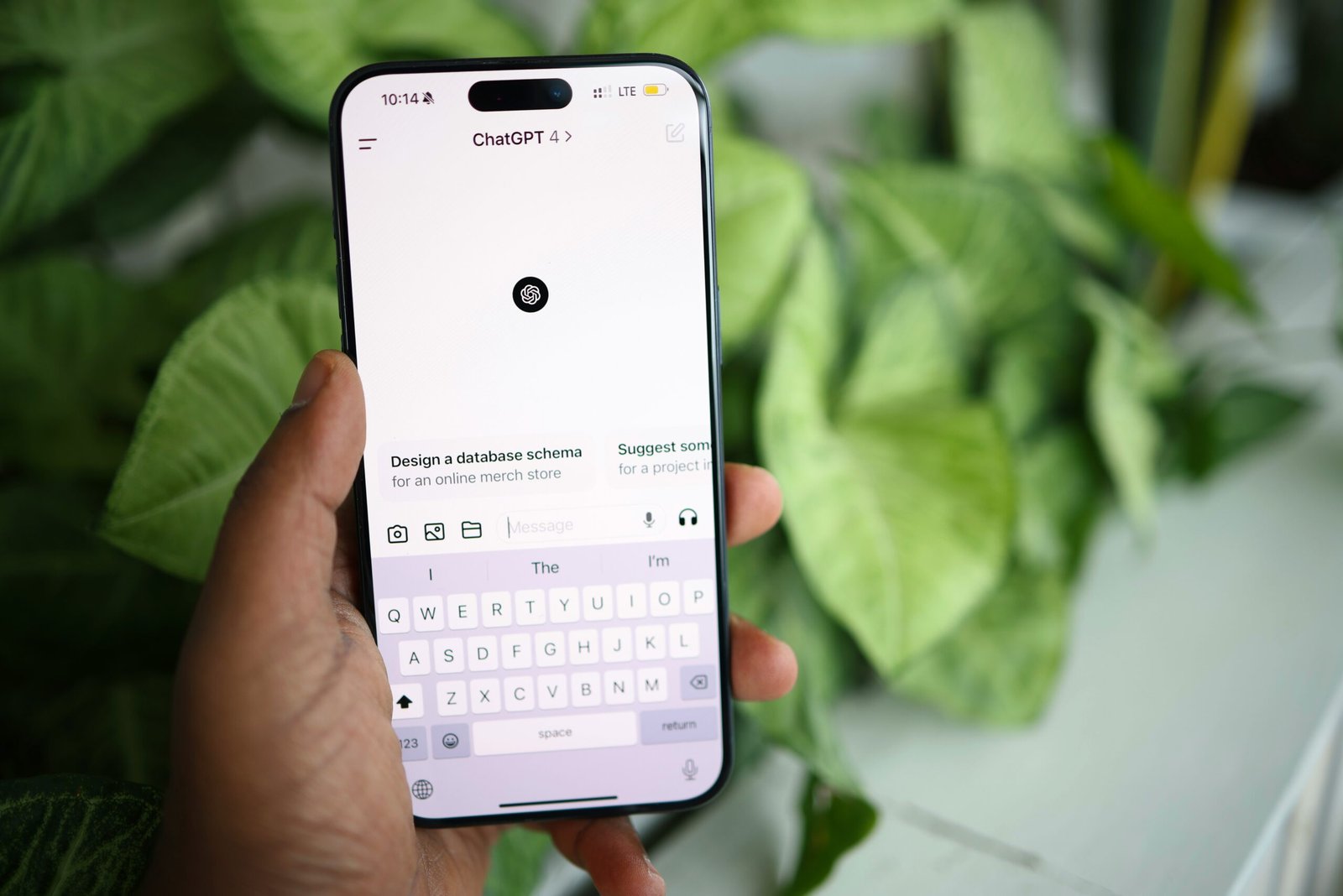
I’ve seen every version of this AI life experiment online by now — someone hands their day over to a chatbot and either has a meltdown or a glow-up by hour twelve. I wanted to know what would actually happen if a regular person with a regular, slightly chaotic schedule tried it. No script, no ring light, just me and my phone.
So I set one rule: for 24 full hours, ChatGPT decided what I ate, when I worked, how I exercised, what I wore, and even how I responded to a mildly annoying email. I only overrode it if it was going to get me fired or hurt.
Here’s the honest, unfiltered play-by-play of my ChatGPT challenge, and what it taught me about actually working smarter instead of just working more.
Why I Tried This ChatGPT Challenge
A few reasons pulled me in:
- Curiosity. Every “day in the life creator” video makes it look effortless. I wanted to know if it really was.
- Burnout. My actual schedule was a mess of half-finished tasks and reactive decision-making.
- A genuine question: could an AI actually improve my workflow optimization, or was this just a gimmick for views?
I gave ChatGPT context first — my job, my rough sleep schedule, my goals for the week — and asked it to build me an hour-by-hour plan, then adjust it live as the day went on.
Hour by Hour: My Day Under AI Control
6:30 AM — Wake-up and morning brief. Instead of scrolling, I asked ChatGPT to summarize my calendar and give me a “top 3 priorities” list. This alone solved a problem I’ve had for years — I usually start my day reactively, checking notifications instead of deciding what actually matters.
7:15 AM — Breakfast, decided by AI. I gave it what was in my fridge. It built a quick high-protein breakfast around eggs and leftover rice. Nothing revolutionary, but it removed a decision I usually waste ten minutes on.
8:00 AM — Deep work block. This is where it got interesting. ChatGPT asked me to list every task on my plate, then sorted them by urgency and energy required, not just deadline. It scheduled my hardest task for when I’m naturally sharpest, instead of shoving it in wherever there was a gap.
10:30 AM — The email it handled better than me. I pasted in an irritating client email and asked for a response. The draft it gave me was calmer and more direct than what I would have typed in the moment. I edited two lines and sent it.
12:00 PM — Lunch and a walk. It suggested a 15-minute walk instead of eating at my desk, based on the fact that I’d told it my energy usually crashes after lunch. Small nudge, but it worked.
2:00 PM — Meeting prep. Instead of winging a meeting like I normally do, I asked it to generate three questions I should ask and a short summary of what I wanted out of the call. I sounded more prepared than usual, and people noticed.
4:00 PM — The productivity apps 2026 test. This is where I leaned into my actual tech stack. ChatGPT suggested pairing it with a task manager and a calendar-blocking tool, rather than trying to do everything inside one chat window. It wasn’t magic — it just forced me to actually use the apps already sitting unused on my phone.
6:30 PM — Dinner and decompression. It suggested a specific stopping point for work and a short wind-down routine instead of the usual “just one more email” spiral I fall into most nights.
9:00 PM — The daily review. Before bed, I asked it to summarize what I completed versus what I’d planned. Seeing the gap in plain text was oddly motivating — more than any productivity app’s dashboard has ever been for me.
What I Actually Learned From Letting AI Run My Day
I’m not going to pretend a chatbot fixed my entire life in 24 hours. But a few things genuinely changed:
- Fewer decisions, more energy. Outsourcing small choices (breakfast, email tone, walk timing) freed up mental space for actual work.
- Better task sequencing. Sorting tasks by energy level instead of just deadline was the single most useful shift of the day.
- It’s a mirror, not a magic fix. ChatGPT can only optimize what you tell it. Vague input gets vague output — the more specific I was, the better it performed.
- Still needs a human filter. A couple of its suggestions (skip lunch to keep working) were genuinely bad advice that I ignored.
Building Your Own 2026 Productivity Tech Stack
If you want to try a lighter version of this without handing over your entire day, here’s what actually mattered:
- Feed it real context. Your actual schedule, energy patterns, and goals — not generic prompts.
- Use it for sequencing, not just scheduling. Ask it to sort tasks by energy and urgency, not just time slots.
- Pair it with one task tool. A single calendar or to-do app is enough; you don’t need five apps competing for your attention.
- Review at the end of the day. A short AI-generated summary of what got done is a surprisingly effective accountability check.
This isn’t about letting an app run your life forever. It’s about borrowing its objectivity on the days your own brain won’t cooperate.
Is This a Good Faceless Vlog Idea?
If you’re a creator looking for faceless vlog ideas, this format works well because it’s entirely voice-over and screen-recording friendly — no camera required, just your phone, your chat log, and a voiceover of what happened hour by hour. It’s also endlessly repeatable: a workday version, a weekend version, a “let AI plan my finances” version, and so on.
Final Thoughts
Would I let ChatGPT run my entire life again? Not permanently — some decisions deserve a human’s gut instinct, not an algorithm’s average. But as a one-day reset to force better workflow optimization and cut down on decision fatigue, this experiment was genuinely worth it. I ended the day with more done and less mental clutter than most of my “normal” days combined.
If your schedule feels like it’s running you instead of the other way around, this might be the reset you need.
Would you ever let AI plan your entire day? I’d love to hear what part of your routine you’d hand over first.